

Root Canal Therapy - Miami, FL
Relieve your pain and preserve your natural tooth
About Root Canal Therapy
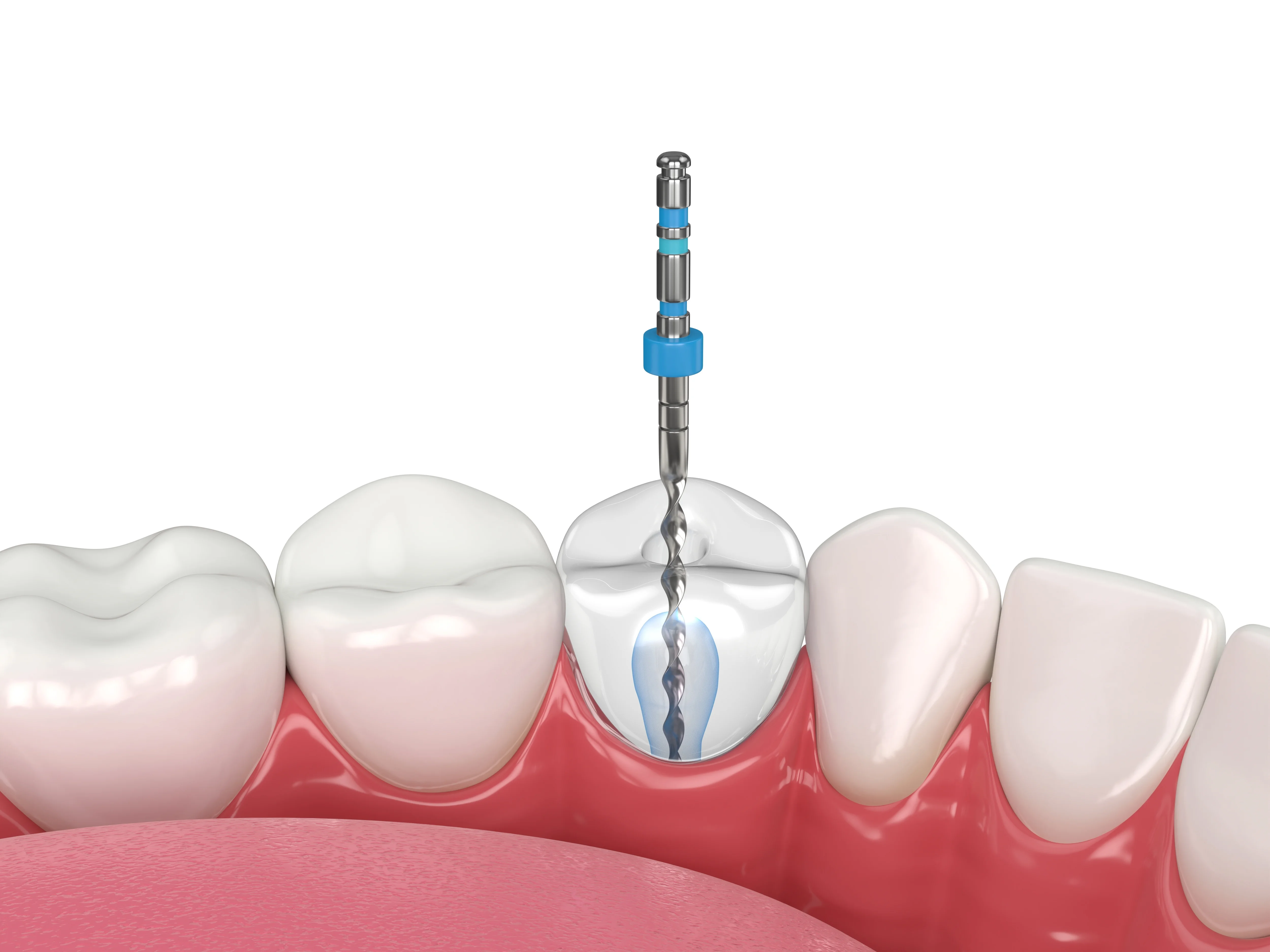
A tooth contains a soft inner tissue called dental pulp. The pulp includes nerves, blood vessels and connective tissue that help the tooth develop.
Deep decay, a crack, trauma or repeated dental procedures can cause the pulp to become inflamed or infected. Because the pulp is enclosed by hard tooth structure, it cannot heal predictably once it has been irreversibly damaged.
During root canal therapy, Dr. Lopez removes the affected pulp, cleans and shapes the internal canals and seals the space. The tooth is then restored to protect it and return it to function.
Benefits of Root Canal Therapy

Relief From Infection-Related Pain
Root canal treatment removes the inflamed or infected tissue that may be causing pressure, sensitivity and discomfort.

Preservation of the Natural Tooth
Keeping a restorable natural tooth can maintain normal biting function and avoid the immediate need for tooth replacement.

Protection of Neighboring Teeth
Saving the tooth helps maintain its position and reduces the need to prepare neighboring teeth for certain replacement options.
Restored Chewing Function
After the tooth has been appropriately restored, it can continue to support normal biting and chewing.
Control of Infection
Cleaning, disinfecting and sealing the root canals helps prevent bacteria from continuing to spread within the tooth.
What to Expect
Your step-by-step guide to root canal therapy at Jennifer Lopez Dental.
Examination and Diagnosis
Dr. Lopez examines the tooth and surrounding tissues. She may test the tooth's response to temperature, pressure or tapping. Dental X-rays and possibly a CBCT scan evaluate the roots and surrounding bone.
Local Anesthesia
The tooth and surrounding area are numbed with local anesthesia. A protective dental dam may be placed to isolate the tooth and keep the treatment area clean.
Accessing the Tooth
Dr. Lopez creates a small opening through the visible portion of the tooth to reach the pulp chamber and root canals.
Cleaning and Shaping
The inflamed or infected pulp is removed. Specialized instruments are used to clean and shape the canals so they can be disinfected and sealed.
Filling and Sealing
The cleaned canals are filled with a biocompatible material and sealed. A temporary or permanent restoration is placed over the access opening.
Final Restoration
Many root canal-treated teeth, especially back teeth, require a crown to restore strength and reduce the risk of fracture. The appropriate restoration depends on the tooth's location, remaining structure and bite.
Frequently Asked Questions About Root Canal Therapy
Is a root canal painful?
Local anesthesia is used to numb the tooth and surrounding area. Most patients remain comfortable during treatment and may feel pressure or vibration rather than pain. Mild tenderness for several days afterward is common.
How do I know if I need a root canal?
Possible signs include persistent tooth pain, prolonged temperature sensitivity, pain when biting, swelling, discoloration or a pimple-like bump on the gums. Dental examination and imaging are required to determine whether the pulp is irreversibly damaged.
How long does a root canal take?
Many root canals are completed in one appointment lasting about 60 to 90 minutes. Molars, complex anatomy and significant infection may require more time, an additional visit or referral to an endodontist.
Will I need a crown after a root canal?
Many root canal-treated teeth require crowns, especially molars and premolars that absorb substantial chewing pressure. The appropriate restoration depends on the tooth's location and remaining structure.
How soon will my tooth feel better?
Many patients notice improvement as infection-related pressure subsides. Mild tenderness may continue for several days. Contact the office if pain or swelling becomes severe, worsens or does not begin to improve.
Can antibiotics replace a root canal?
Antibiotics may help manage certain spreading infections, but they do not remove damaged or infected pulp from inside a tooth. Root canal treatment or extraction is generally needed to address the source.
Can I drive after root canal treatment?
Patients who receive only local anesthesia can generally drive afterward. Follow any different instructions provided based on medication, anxiety management or your medical history.
Can I eat after a root canal?
Wait until the numbness has worn off to avoid biting your cheek or tongue. Choose softer foods and avoid chewing hard or sticky foods on the treated tooth until it receives its final restoration.
What happens if I delay treatment?
Untreated infection can spread into the surrounding tissues and bone, cause an abscess and reduce the chance of saving the tooth. Contact the office promptly if you have persistent pain, swelling or signs of infection.
Will insurance cover root canal therapy?
Many dental plans provide some coverage for medically necessary root canal treatment. Coverage, deductibles and annual limits vary. Our team can review available benefit information and provide an estimate.
Interested in Root Canal Therapy?
Let Us Help You
Take the first step toward a healthier, more confident smile. Dr. Lopez and our Miami team will walk you through your root canal therapy options, answer your questions, and help you make the best decision for your oral health. Call (305) 227-1213 or request an appointment online.
Request a Consultation
Request an Appointment
Fill out the form and we will be in touch shortly.