

Ridge Augmentation - Miami, FL
Rebuild jawbone to support future tooth replacement
About Ridge Augmentation
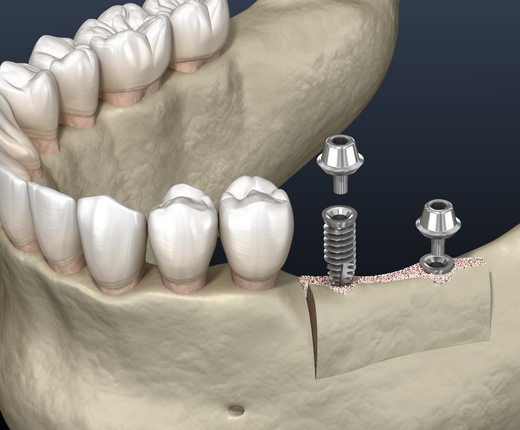
The alveolar ridge is the part of the jawbone that supports your teeth. After a tooth is removed or lost, the surrounding bone can shrink through a process called resorption. If the ridge becomes too thin or uneven, it may not provide enough support for a dental implant.
Ridge augmentation uses bone grafting material to rebuild the natural shape, height or width of the jawbone. The procedure can create a stronger foundation for future implant placement while supporting the contours of the gums and jaw.
Ridge preservation is performed at the time of a tooth extraction. Bone grafting material is placed in the empty socket to help maintain its shape and limit bone loss during healing. Ridge augmentation is performed after bone loss has already occurred. Dr. Lopez will determine which approach is appropriate based on the condition of your tooth and bone.
Benefits of Ridge Augmentation

Improves Implant Eligibility
Rebuilding lost bone may create the height and width needed to support stable dental implant placement.

Supports Natural Facial Contours
Restoring bone volume can help support the natural contours of the gums, lips and cheeks after tooth loss.

Creates a More Even Ridge
Grafting can correct irregularities in the jawbone and create a more suitable foundation for future restoration.
Supports Long-Term Oral Health
Restoring the ridge can support neighboring structures and provide a stronger foundation for replacing a missing tooth.
What to Expect
Your step-by-step guide to ridge augmentation at Jennifer Lopez Dental.
Consultation and Planning
Dr. Lopez examines the treatment area and uses X-rays and 3D imaging to measure the width and height of the available bone. These findings help determine the grafting approach.
Graft Placement
The area is numbed with local anesthesia. Bone grafting material is placed where additional volume is needed. A protective membrane may be positioned over the graft during healing.
Healing Period
The soft tissues typically heal within one to two weeks. The bone graft may require approximately three to six months to integrate and mature, depending on the extent of treatment and your healing response.
Implant Readiness
After healing, Dr. Lopez evaluates the grafted area to determine whether the bone is ready for dental implant placement. Complex grafts may require additional healing time.
Frequently Asked Questions About Ridge Augmentation
Is ridge augmentation painful?
Local anesthesia is used to numb the treatment area. You may feel pressure during the procedure, but you should not feel pain. Temporary soreness is common afterward and can usually be managed with recommended medication.
How long does ridge augmentation take to heal?
The soft tissues generally heal within one to two weeks. The grafted bone often requires three to six months to integrate and mature. Healing time varies according to the size and location of the graft.
Will I need a bone graft after a tooth extraction?
Not every extraction requires bone grafting. Ridge preservation may be recommended when maintaining bone volume is important for future tooth replacement. If bone loss has already occurred, ridge augmentation may be considered later.
What are the risks of ridge augmentation?
Potential risks include infection, graft exposure, incomplete graft integration and sinus complications when treating certain upper-jaw areas. Careful planning and following postoperative instructions can help reduce these risks.
When can a dental implant be placed?
Implant timing depends on the location of the graft and how your bone heals. Many grafted areas are ready for evaluation within three to six months, although complex cases may require more time.
Interested in Ridge Augmentation?
Let Us Help You
Take the first step toward a healthier, more confident smile. Dr. Lopez and our Miami team will walk you through your ridge augmentation options, answer your questions, and help you make the best decision for your oral health. Call (305) 227-1213 or request an appointment online.
Request a Consultation
Request an Appointment
Fill out the form and we will be in touch shortly.