

Porcelain Veneers - Miami, FL
Create a balanced smile designed around your features
About Porcelain Veneers
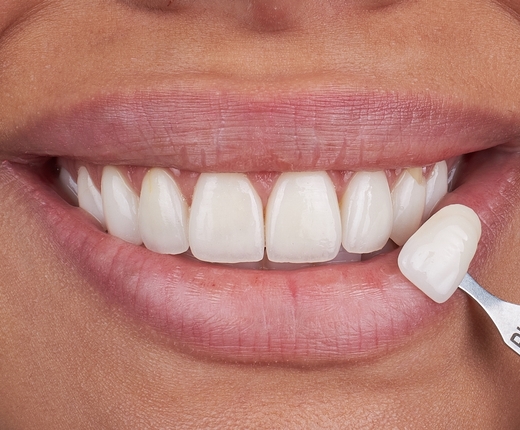
Dental veneers are thin, customized restorations that cover the front surfaces of teeth. They can conceal several cosmetic concerns while creating more consistent tooth proportions and smile symmetry.
Porcelain is commonly used because it has a lifelike translucency and resists staining. Other materials may be considered depending on the tooth, treatment goals and clinical requirements.
Veneers are bonded to natural teeth and are not removable. Because some enamel is usually reshaped during preparation, treatment should be considered a long-term commitment.
Benefits of Porcelain Veneers

Natural-Looking Appearance
Dental porcelain reflects light in a way that resembles natural enamel. Shape, contour and shade are selected to coordinate with surrounding teeth and facial features.

Personalized Smile Design
Veneers are designed around your tooth proportions, gumline, bite, facial structure, profile and cosmetic goals.

Multiple Improvements at Once
One treatment plan can address color, shape, size, spacing and symmetry.
Stain Resistance
Porcelain resists staining better than natural enamel. The surrounding teeth and restoration edges still require consistent care.
Conservative Preparation
Veneers generally require less tooth reduction than full crowns. The amount of preparation varies based on tooth position and desired changes.
Long-Term Cosmetic Treatment
With appropriate home care, professional maintenance and protection from excessive bite forces, porcelain veneers can provide many years of service.
What to Expect
Your step-by-step guide to porcelain veneers at Jennifer Lopez Dental.
Consultation and Smile Analysis
You will discuss what you like about your smile, what you want to change and which results feel appropriate. Dr. Lopez evaluates your teeth, gums, bite, facial structure and profile.
Treatment Planning
The number of veneers, tooth proportions, restoration contours and overall smile design are planned. Dr. Lopez explains what veneers can realistically accomplish and how much enamel preparation is expected.
Material and Shade Selection
The porcelain and shade are selected to coordinate with your skin tone, lips, facial features and surrounding teeth. Professional whitening may be recommended before veneers if appropriate.
Tooth Preparation
The area is numbed when appropriate. A conservative amount of enamel is reshaped to create space for the veneers and support a natural contour.
Digital Impressions
Detailed digital impressions capture the prepared teeth, neighboring teeth and bite. The information is used by the dental laboratory to create the customized restorations.
Temporary Veneers and Preview
Provisional veneers are placed while the final restorations are being created. Dr. Lopez may use your feedback about appearance, speech and comfort when refining the final design.
Laboratory Fabrication
A dental laboratory creates the porcelain veneers according to the approved design, digital impressions, photographs, measurements and shade information.
Final Bonding
Dr. Lopez evaluates the veneers on your teeth before final placement. She checks the fit, shape, contacts, appearance and relationship with your bite. The veneers are secured, finished and polished.
Frequently Asked Questions About Porcelain Veneers
Do porcelain veneers look natural?
Porcelain has a translucency that resembles natural enamel. Dr. Lopez plans the shape, contours, shade and proportions around your surrounding teeth, gumline, facial features and profile to create a coordinated appearance.
Are veneers permanent?
Veneers are a long-term cosmetic treatment. Because some enamel is typically removed during preparation, the process is generally not reversible. Treated teeth will continue to require veneers or another appropriate restoration.
Is the veneer procedure painful?
Local anesthesia is used when needed during tooth preparation. Most patients report minimal discomfort. Temporary sensitivity or gum tenderness may occur after treatment but generally improves as the area settles.
How long do porcelain veneers last?
Veneers can provide many years of service, but their lifespan varies. Oral hygiene, bite forces, grinding habits, diet and professional maintenance can all affect longevity.
Can veneers stain?
Porcelain is highly resistant to staining, but the surrounding natural teeth can still change color. Plaque and staining may also collect near restoration edges without consistent brushing and professional cleanings.
Can veneers fix crooked teeth?
Veneers can improve the appearance of mild rotations, uneven edges or small spaces. They do not physically move teeth. More significant alignment or bite concerns may be better treated with Invisalign or another orthodontic approach.
Can I whiten my veneers?
No. Whitening products do not change the color of porcelain. If whitening is part of your plan, Dr. Lopez may recommend completing it before the veneers are designed.
What happens if a veneer chips or comes off?
Save the veneer or broken pieces and contact the office. Do not use household glue. Depending on its condition and the underlying tooth, the veneer may need to be repaired, rebonded or replaced.
Will I need temporary veneers?
Temporary veneers are often used while a dental laboratory creates the final restorations. They protect the prepared teeth and allow you to preview the planned tooth shape and length.
Will insurance cover porcelain veneers?
Dental insurance generally considers veneers cosmetic, but coverage varies. Our team can review available benefit information and provide an estimate before treatment.
Interested in Porcelain Veneers?
Let Us Help You
Take the first step toward a healthier, more confident smile. Dr. Lopez and our Miami team will walk you through your porcelain veneers options, answer your questions, and help you make the best decision for your oral health. Call (305) 227-1213 or request an appointment online.
Request a Consultation
Request an Appointment
Fill out the form and we will be in touch shortly.