Why Nail-Biting is Bad for Your Mouth
A+
A-
A
Main Content
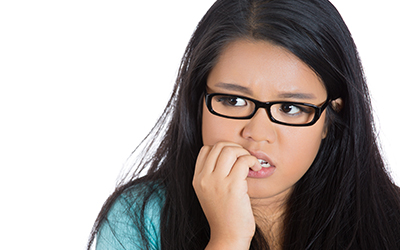
A nail-biting problem is more common than you think. This seemingly harmless subconscious act provides a sense of comfort, especially when you’re in a stressful situation. Unfortunately, however, the act is far from harmless. To make matters worse, it doesn’t just affect your nails.
In reality, nail-biting does more damage to your teeth than your nails. It increases your risk of chipping, cracking, and even breaking your teeth. Additionally, a sharpened fingernail could tear your gums and make them more sensitive. Following are some of the negative side effects of nail-biting on your teeth.
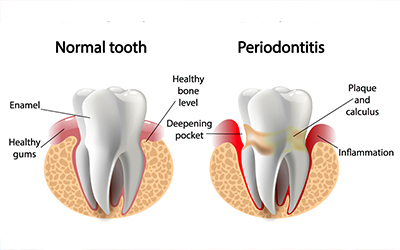
- Gum Disease and Infections: In general, people who bite their nails are more likely to develop gum disease and infections, such as gingivitis and gingival trauma. There is also a risk of accidental trauma, as your nails can accidentally cut through your gums. In addition, the germs under your nails can also irritate or infect your gums.
- Teeth Grinding (Bruxism): If you are prone to biting your nails while anxious, there’s a high chance that you continue doing so while you’re asleep. However, you will likely not be biting your nails. Instead, you will be grinding your teeth against each other. Teeth grinding over a long period can cause teeth to fall out.
- Poor Dental Occlusion: When you bite your nails, it puts pressure on your teeth and jaws. This can lead to your teeth shifting out of position and becoming oddly shaped. As a result, you’ll require braces or retainers to bring your teeth back into alignment, or it could lead to other serious issues in the long run.
If you feel that your nail-biting habit has already affected your teeth, it is crucial to visit a dentist immediately. If you live in South Miami, Sweetwater, Kendall, Coral Gables, or Doral, visit Jennifer Lopez Dental for a consultation today.