Why Saving a Damaged Tooth Is Important
A+
A-
A
Main Content
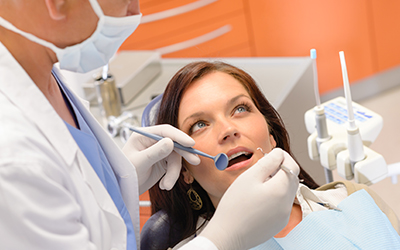
When a tooth becomes damaged due to decay, trauma, or infection, it can be tempting to have it removed. However, saving a damaged tooth is important for several reasons.
Maintain Proper Bite Alignment:
Each tooth in your mouth plays a role in your bite alignment. When a tooth is removed, the surrounding teeth are likely to shift to fill in the gap, which could affect your bite and impact actions such as chewing and speaking.
Preserve Bone Tissue:
The roots of your teeth stimulate the jawbone to maintain healthy bone tissue. When a tooth is removed, the jawbone can get damaged over time. Keeping a damaged tooth in place can help maintain the jawbone’s health and prevent bone loss.
Cost-Effective:
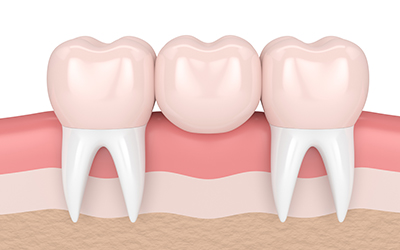
While extracting a damaged tooth may seem easier and less expensive, replacing a missing tooth with a dental implant, bridge, or denture can be costly and time-consuming. In many cases, repairing the damaged tooth can be a more cost-effective option in the long run.
Prevent Infection:
When a tooth becomes damaged, it can leave the inside of the tooth exposed to harmful bacteria, leading to infection. If the infection is left untreated, it can spread to other teeth, the jawbone, and other parts of the body, potentially leading to serious health complications.
Maintain Oral Health:
Each tooth in your mouth plays an important role in your oral health. By saving a damaged tooth, you can maintain the health and function of your mouth and prevent other dental problems from occurring.
The Final Word
Saving a damaged tooth is important for maintaining proper bite alignment, preserving bone tissue, preventing infection, and maintaining oral health. If you have a damaged tooth and are searching for a good dentist, contact Jennifer Lopez Dentistry and make an appointment today.